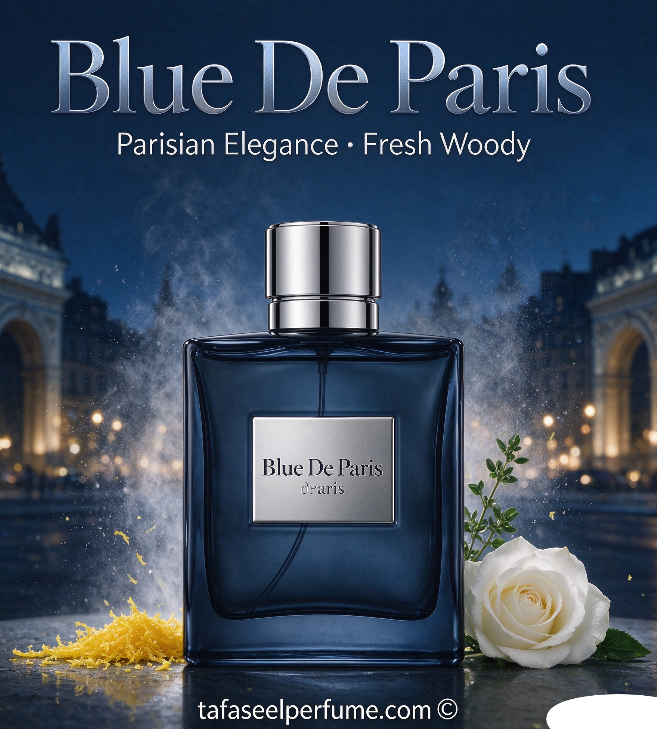
- Blue de Paris Perfume Guide: Scent Profile, Fragrance Notes, Longevity, and Buying Tips: Blue de Paris is a fragrance-related search term that may attract shoppers looking for an elegant, fresh, and sophisticated perfume. If you are considering this scent, understanding its exact product identity, fragrance character, performance, and purchasing options is essential. A name alone does not always identify a specific fragrance, so checking the brand and product details is the first step toward making the right choice.
This comprehensive Blue de Paris guide explores how to evaluate the fragrance, understand its scent profile, assess longevity and projection, and decide whether it fits your personal style. It also explains how to distinguish similarly named products, what to look for when shopping online, and how to compare Blue de Paris with other fragrance categories. Whether you are searching for a signature scent, a thoughtful gift, or a new addition to your perfume collection, these practical tips can help you make a more confident decision.
Important product identification note: Blue de Paris should not automatically be confused with Bleu de Chanel, other blue-themed fragrances, or products with similar names. Without a confirmed manufacturer and exact product listing, specific fragrance notes, launch dates, concentrations, and performance claims cannot be reliably assigned to Blue de Paris. This guide therefore focuses on the search intent and the practical steps needed to identify and evaluate the correct fragrance.
Table of Contents
Understand the Blue de Paris keyword, possible product-name confusion, and why checking the exact fragrance identity matters.
2. Blue de Paris Fragrance Profile: What to Look For
Learn how to evaluate freshness, aromatic character, woody depth, and the overall impression of a perfume.
3. Understanding Fragrance Notes and Scent Development
Explore top notes, heart notes, and base notes to understand how a fragrance changes after application.
4. Is Blue de Paris a Fresh or Woody Fragrance?
Discover the differences between fresh, aquatic, aromatic, and woody fragrance families.
5. Longevity and Projection: How to Evaluate Performance
Understand fragrance longevity, projection, and sillage, and learn how to test performance on your skin.
6. When Should You Wear Blue de Paris?
Consider everyday use, office environments, evening occasions, and seasonal fragrance choices.
7. Blue de Paris Compared with Other Perfume Styles
Compare fresh, sweet, floral, woody, and amber-inspired fragrances before choosing your next scent.
8. How to Choose and Buy Blue de Paris
Check product descriptions, packaging, seller reliability, concentration, and authenticity before purchasing.
9. Is Blue de Paris Suitable as a Gift?
Explore gift considerations, fragrance preferences, presentation, and alternatives for different recipients.
10. Final Buying Advice: Is Blue de Paris Worth Exploring?
Review the most important considerations and learn how to decide whether this fragrance matches your expectations.
1. What Is Blue de Paris?
Blue de Paris is a fragrance-related keyword that people may use when searching for perfume information, product listings, reviews, or buying recommendations. The name suggests a connection with the popular blue fragrance aesthetic and the elegance associated with Parisian-inspired branding. However, a descriptive name is not enough to establish the identity of a specific perfume. Several products can use similar words, and retailers sometimes shorten or modify product titles when publishing online listings.
Before researching its fragrance character, identify the manufacturer and exact product name. Look for the brand printed on the bottle, the official product description, the fragrance concentration, and the bottle size. If the listing includes a barcode, product code, or manufacturer reference, compare that information with other reliable sources. These details help distinguish a genuine product from a similarly named fragrance or an incorrectly categorized marketplace listing.
It is particularly important not to confuse Blue de Paris with Bleu de Chanel. The names may look or sound similar in search results, but they should not be treated as the same product. Bleu de Chanel is a recognizable fragrance line from Chanel, while Blue de Paris requires its own manufacturer and product details to be confirmed. Similar wording does not establish a relationship between brands or formulas.
For shoppers exploring men's fragrances, the broader category of men's perfume can provide useful comparisons. You can also browse perfume articles and reviews to understand how different fragrance families, concentrations, and product styles are evaluated.
The most reliable approach is to treat Blue de Paris as a product-identification search first and a fragrance-review search second. Once you have confirmed the exact bottle, you can assess its notes, performance, price, and suitability without relying on information that may belong to another perfume.
2. Blue de Paris Fragrance Profile: What to Look For
A fragrance profile describes the overall sensory impression of a perfume. It usually includes its fragrance family, recognizable accords, development on skin, and general mood. When evaluating Blue de Paris, begin with the official description for the exact product rather than assuming its scent from the word blue. Blue-themed fragrance names are often associated with fresh or aquatic marketing, but a product name does not prove that its formula contains marine, citrus, aromatic, or woody notes.
Fresh fragrances often create a clean and energetic impression. They may feature citrus-like, green, aquatic, or light aromatic accords. These scents are frequently chosen by people who want something comfortable for daytime activities. A fresh composition can feel refreshing after a shower, during warm weather, or in casual environments. However, freshness is not necessarily the same as lightness, because some fresh fragrances develop into deeper and more complex dry-downs.
Woody fragrances offer a different experience. They often use cedar-like, sandalwood-like, vetiver-like, or other dry woody effects to create structure and depth. Depending on the formula, these fragrances can feel smooth, earthy, warm, or refined. Aromatic compositions may include herbal and green impressions that give a perfume a clean and structured character.
Another important element is balance. A fragrance that combines fresh opening notes with a woody base may feel versatile, while a composition dominated by sweetness or spice may create a more noticeable personality. The best way to understand the balance is to test the fragrance at different stages instead of judging it immediately after spraying.
When reviewing Blue de Paris, pay attention to the official fragrance description and compare it with your own experience. If the product information is incomplete, avoid relying on copied note lists from unrelated perfumes. A trustworthy review should identify the exact product being tested and explain whether its observations come from personal use, official information, or retailer descriptions.
3. Understanding Fragrance Notes and Scent Development
Most fragrance descriptions organize perfume notes into three broad stages: top notes, heart notes, and base notes. This structure helps explain how a fragrance develops over time. Each stage contributes to the overall scent, and the initial impression can be quite different from the fragrance that remains several hours later.
Top notes are the first elements people usually notice after spraying a perfume. They are often selected to create an immediate impression and may include citrus, green, fresh, or aromatic accords. These notes can make a fragrance seem bright and energetic at the beginning. However, top notes generally become less prominent as the perfume develops, so they should not be treated as the complete scent profile.
Heart notes emerge as the opening begins to fade. They form the central character of the composition and may include floral, herbal, spicy, or aromatic elements. Heart notes help connect the initial impression with the deeper base. In a balanced perfume, this transition can feel smooth rather than abrupt.
Base notes create much of the fragrance's lasting impression. Common base-note families include woods, musk, amber-like accords, resins, and other deeper materials. These ingredients can add warmth, softness, and depth. Their presence does not automatically guarantee long-lasting performance, because longevity depends on the complete formula and the conditions in which the perfume is worn.
When testing Blue de Paris, observe the fragrance immediately after application, again after approximately 30 minutes, and later in the day. Record which elements remain noticeable and whether the fragrance becomes softer, warmer, sweeter, or more woody. This simple method provides a more complete understanding than judging the perfume from its opening alone.
Also remember that fragrance notes are descriptions of a composition rather than a guarantee that every person will smell exactly the same thing. Skin chemistry, temperature, humidity, and individual perception can influence how a perfume develops. A scent that seems fresh and subtle to one person may appear sharper or warmer to another.
4. Is Blue de Paris a Fresh or Woody Fragrance?
Whether Blue de Paris should be described as fresh, woody, aquatic, or aromatic depends on the confirmed formula of the specific product. The word blue is frequently used in fragrance marketing to suggest freshness, cleanliness, and versatility, but it is not a technical fragrance-family classification. Some blue-themed perfumes are citrus-forward, while others combine aromatic herbs, woods, spices, and amber-like accords.
Fresh fragrances are generally associated with bright and refreshing impressions. Citrus, green, aquatic, and light herbal effects are common examples. These compositions are often easy to wear during the day because they can feel clean and unobtrusive when applied moderately. People who dislike heavy sweetness may find fresh fragrance families particularly appealing.
Woody fragrances usually create a more grounded impression. Cedar-like, sandalwood-like, vetiver-like, and other woody accords can make a composition feel structured and sophisticated. Some woody fragrances are dry and understated, while others are creamy, warm, or smoky. They can be suitable for both daytime and evening wear, depending on their intensity.
Aromatic fragrances often sit between these broad categories. Herbal, green, and fresh accords can give a perfume a clean character while adding more complexity than a simple citrus composition. Some aromatic fragrances also incorporate woods and spices, producing a versatile scent that changes noticeably during wear.
If you are trying to determine the style of Blue de Paris, do not rely only on its name or bottle color. Read the manufacturer's description and check whether the product lists specific fragrance notes. Testing a sample is even more useful because it allows you to experience the fragrance directly. This is especially important if you have strong preferences for fresh, dry, sweet, or warm scents.
5. Longevity and Projection: How to Evaluate Performance
Longevity describes how long a perfume remains detectable after application. Projection refers to how far the fragrance radiates from the wearer, while sillage describes the scented trail left behind as someone moves. These three concepts are related, but they are not interchangeable. A perfume can last a long time while remaining close to the skin, or it can project strongly at first and become much softer after a short period.
There is no reliable universal longevity figure for Blue de Paris without identifying and testing the exact product. Performance can vary according to concentration, formula, skin type, application amount, temperature, and humidity. A fragrance may also behave differently on clothing than on skin. For this reason, online comments about performance should be treated as individual experiences rather than guaranteed results.
To test longevity, apply the fragrance to clean, dry skin and note how it smells at different intervals. The opening may be noticeable immediately, while the heart and base become clearer later. Check the scent after one hour, several hours, and near the end of your normal day. Avoid adding more sprays during the test because doing so makes the original performance difficult to evaluate.
Projection is especially important when choosing a fragrance for shared spaces. A powerful scent may be enjoyable outdoors or at an evening event, but it can become uncomfortable in a small office, classroom, or public transport environment. Moderate projection is often more practical for everyday use.
Do not assume that a product labeled intense will necessarily last longer than every other perfume. Words such as intense, extreme, and powerful may be part of product naming or marketing. Actual performance must be evaluated through the formula and real-world use. If longevity is a major buying priority, seek reviews that identify the exact product and explain the conditions under which it was tested.
6. When Should You Wear Blue de Paris?
The best time to wear a fragrance depends on its actual scent profile, projection, and your personal preferences. If Blue de Paris is confirmed to have a fresh or aromatic composition, it may be suitable for daytime use, casual activities, and warmer weather. If its formula contains deeper woods, spices, or amber-like accords, it may also work for evening occasions and cooler temperatures. These possibilities should be checked against the actual product rather than assumed from its name.
For everyday use, choose a fragrance that feels comfortable throughout your routine. A balanced scent can work well for shopping, commuting, meeting friends, and other casual activities. If you plan to wear it at work, start with a small number of sprays. In shared environments, a fragrance should be noticeable without dominating the space or distracting colleagues.
For formal occasions, consider how the fragrance complements your clothing and the atmosphere of the event. A clean and understated scent may suit business meetings, while a richer composition may feel more appropriate for an evening gathering. There is no universal rule, however. Your comfort and the expectations of the venue should guide your decision.
Seasonal fragrance selection is another useful consideration. Fresh and lighter compositions are commonly associated with spring and summer, while warmer, denser fragrances are often chosen for autumn and winter. However, personal taste matters more than seasonal rules. A refreshing fragrance can be enjoyable in cold weather, and a warm scent can work in an air-conditioned environment during summer.
If you are building a fragrance wardrobe, think about how each perfume complements the others. A fresh everyday scent can provide a different option from a sweet evening fragrance or a warm woody composition. This approach creates variety without requiring every bottle to serve the same purpose.
7. Blue de Paris Compared with Other Perfume Styles
Comparing fragrance families is one of the easiest ways to understand your preferences. Fresh, woody, floral, sweet, and amber-inspired perfumes each create different impressions. Blue de Paris should be compared with these categories only after its exact scent profile has been verified. This avoids inaccurate comparisons based solely on product names or marketing language.
Fresh fragrances are often chosen for their clean and energetic character. They may feature citrus, green, or aquatic effects and can be suitable for daytime wear. Woody perfumes generally offer more depth and structure, with dry, creamy, earthy, or warm impressions depending on the ingredients. Aromatic compositions can combine herbal freshness with a more substantial base.
Sweet and gourmand fragrances create another style of experience. Vanilla, caramel-like, coffee, and creamy accords can make a perfume feel warm and inviting. If you enjoy this direction, you may find our guide to Victoria's Secret perfume with vanilla useful for understanding sweet fragrance profiles.
Floral fragrances focus on flower-inspired accords and can range from fresh and delicate to rich and expressive. Some compositions combine floral elements with woods, musk, or sweetness. For another example of a floral fragrance direction, explore Lancôme La Vie Est Belle.
Amber and spicy perfumes often feel warmer and more pronounced. They may contain resinous, spicy, sweet, or woody accords that create a deeper impression. Our guide to amber and spicy perfumes explains how these compositions differ from lighter fragrance styles.
When making comparisons, evaluate the full wearing experience. Consider the first impression, the scent after an hour, the dry-down, projection, longevity, and how well the fragrance suits your lifestyle. This method is more reliable than deciding which perfume is better based on a single note or a marketing description.
8. How to Choose and Buy Blue de Paris
Before buying Blue de Paris, confirm the exact product identity. Check the brand name, full fragrance title, concentration, bottle volume, and packaging photographs. If a retailer provides a product code or barcode, use it to compare the listing with other reliable sources. Avoid assuming that products with similar names or blue-colored bottles contain the same formula.
Seller reliability is another major consideration. Look for retailers that provide clear business details, customer service information, shipping terms, and return policies. Established fragrance stores and authorized sellers are generally safer starting points than unknown marketplace accounts. If a listing provides very little information or uses inconsistent photographs, ask the seller for clarification before placing an order.
Price should be evaluated alongside product details. An unusually low price does not automatically mean a perfume is counterfeit, because discounts, promotions, and different bottle sizes can affect the cost. However, a price that is far below comparable listings deserves additional investigation. Check whether the product is new, sealed, used, a tester, a sample, or a different concentration.
When the bottle arrives, inspect the packaging and atomizer. Look for clear printing, consistent product information, clean construction, and a properly functioning spray mechanism. Compare the product with reliable photographs, but remember that packaging can vary between production batches and markets. A single minor difference is not enough to establish that a fragrance is fake.
If you are unsure whether the fragrance suits you, consider a sample or smaller size before buying a full bottle. Sampling allows you to experience the scent on your own skin and evaluate its performance over several hours. You can also explore mini-size fragrances and gift sets when comparing different perfumes.
Finally, keep the purchase receipt and product packaging until you are satisfied with the purchase. If the item appears inconsistent with the listing, contact the retailer promptly and follow its return or verification process. A careful buying process is especially important when the exact Blue de Paris product identity has not yet been clearly established.
9. Is Blue de Paris Suitable as a Gift?
Perfume can be a thoughtful gift because it combines personal style, presentation, and everyday use. However, fragrance is also highly subjective. A scent that one person finds elegant may feel too strong, sweet, fresh, or woody to someone else. Before choosing Blue de Paris as a gift, try to identify the recipient's fragrance preferences and confirm that the product is the exact perfume you intend to give.
Consider what the recipient already wears. Someone who prefers clean and refreshing fragrances may enjoy a fresh or aromatic composition, while a person who likes warm and rich scents may prefer woods, amber, or spicy accords. If you do not know their preferences, a versatile fragrance sample or discovery set can be a more flexible option than a full-size bottle.
Presentation also matters. Check the packaging condition, bottle size, and whether the product is supplied in its original box. If the fragrance is intended for a birthday, anniversary, holiday, or special occasion, a well-presented gift set may create a more complete experience. Make sure that any gift set actually contains the fragrance you want rather than a similarly named product.
Another useful approach is to choose a fragrance category rather than relying on a specific product name. For example, you can explore perfume gift sets or unisex perfume options if you are uncertain about the recipient's preferred fragrance style.
Ultimately, Blue de Paris can be considered as a gift only after its product identity and scent profile have been confirmed. A sample-first approach is particularly sensible when the recipient has never tried the fragrance. It reduces the chance of choosing a perfume that looks attractive but does not match their taste.
10. Final Buying Advice: Is Blue de Paris Worth Exploring?
Blue de Paris is a fragrance search term that requires careful product identification before a detailed review can be considered definitive. The name alone does not establish the manufacturer, fragrance notes, concentration, release history, or performance. Buyers should therefore begin by locating a reliable product listing and confirming that the bottle matches the fragrance they are researching.
Once the exact product has been identified, evaluate its scent profile, fragrance development, longevity, projection, and suitability for different occasions. Test it on skin whenever possible, because fragrance performance and perception vary between individuals. Do not rely entirely on promotional terms such as intense, fresh, premium, or long-lasting.
Compare Blue de Paris with other fragrances that match your preferred scent family. If you enjoy fresh and clean compositions, prioritize verified descriptions of citrus, aquatic, green, or aromatic accords. If you prefer a warmer fragrance, explore woody, amber, spicy, or sweet alternatives. Comparing the actual scent experience will help you make a more meaningful decision.
Final recommendation: Blue de Paris may be worth exploring if you have identified the exact product and its fragrance profile matches your preferences. Confirm the brand and concentration, check the seller's reputation, and sample the perfume before purchasing a full-size bottle. These steps provide a more dependable basis for deciding whether it belongs in your fragrance collection.
Frequently Asked Questions About Blue de Paris
1. What is Blue de Paris perfume?
Blue de Paris is a fragrance-related search term, but the exact manufacturer and product identity should be confirmed before assigning specific fragrance notes or performance details. Check the bottle, official product description, and retailer information to identify the correct perfume.
2. Is Blue de Paris the same as Bleu de Chanel?
No. Similar wording does not mean two fragrances are the same product. Bleu de Chanel is a fragrance line from Chanel, while Blue de Paris should be treated as a separate product name unless reliable manufacturer information establishes otherwise.
3. What does Blue de Paris smell like?
The scent profile depends on the exact product being searched for. Do not assume that it is citrus, aquatic, woody, or aromatic simply because the name includes the word blue. Check the manufacturer's fragrance description or test the perfume directly.
4. Is Blue de Paris a men's or women's perfume?
The intended audience cannot be confirmed from the name alone. Check the product packaging and manufacturer's description. Regardless of marketing category, anyone can wear a fragrance if they enjoy its scent.
5. Is Blue de Paris a fresh fragrance?
The word blue is often associated with fresh fragrance marketing, but it does not establish the formula. Confirm the official notes to determine whether the specific product belongs to a fresh, aquatic, aromatic, woody, or another fragrance family.
6. How long does Blue de Paris last?
Its longevity cannot be reliably stated without identifying and testing the exact product. Performance depends on the formula, concentration, skin type, weather, and application method. Test it over several hours to understand how long it remains detectable.
7. Does Blue de Paris have strong projection?
Projection describes how far a fragrance can be detected from the wearer. The projection of Blue de Paris should be assessed through reliable reviews of the exact product or personal testing. Apply a small amount first, especially in enclosed spaces.
8. Is Blue de Paris suitable for everyday wear?
It may be suitable for everyday wear if its verified scent profile and projection are comfortable for your routine. Test it in a normal daily environment and use a moderate number of sprays.
9. Can Blue de Paris be worn to the office?
Office suitability depends on the fragrance's strength and character. If you decide to wear it, start with one or two sprays and avoid excessive application in shared workspaces.
10. Is Blue de Paris suitable for summer?
Summer suitability depends on the actual formula. Fresh, citrus, green, and aquatic compositions are often comfortable in warm weather, but a product's name alone cannot confirm that it has these characteristics.
11. Is Blue de Paris better for daytime or nighttime?
That depends on its scent profile and performance. A lighter fresh fragrance may be convenient during the day, while a deeper woody or spicy composition may suit evening occasions. Test the exact product before deciding.
12. What fragrance notes should I look for in Blue de Paris?
Look for an official list of top, heart, and base notes from the manufacturer or a reliable retailer. These details help you understand how the fragrance opens, develops, and settles. Avoid using note lists copied from similarly named perfumes.
13. How can I tell if Blue de Paris is authentic?
Buy from a reputable seller and check the product name, packaging, bottle construction, atomizer, and available product codes. Compare the item with reliable product information. If several details appear inconsistent, contact the retailer before using it.
14. Where can I buy Blue de Paris perfume?
Start by identifying the manufacturer and checking its official retail information or established fragrance retailers. Marketplace listings should be evaluated carefully, especially when they provide limited product details or unclear photographs.
15. Is Blue de Paris a good gift?
It may be a suitable gift if you have confirmed the exact fragrance and know that the recipient enjoys its scent family. If their preferences are uncertain, consider a sample, discovery set, or gift option with a flexible exchange policy.
16. Should I buy a full bottle of Blue de Paris or try a sample first?
Trying a sample first is generally the safer option when you have not worn the fragrance before. It allows you to evaluate the opening, dry-down, longevity, and overall comfort before purchasing a larger bottle.
17. Is Blue de Paris a good alternative to other blue fragrances?
It may be worth comparing with other blue-themed fragrances once its exact scent profile is confirmed. Compare fragrance notes, concentration, performance, price, and personal comfort rather than relying only on similar names or bottle colors.
18. Is Blue de Paris worth buying?
Whether it is worth buying depends on the exact product, authenticity, price, scent profile, and your personal preferences. Confirm the manufacturer's information, purchase from a reliable seller, and test the fragrance before committing to a full-size bottle.


